Independent inpatient nursing
About nursing care
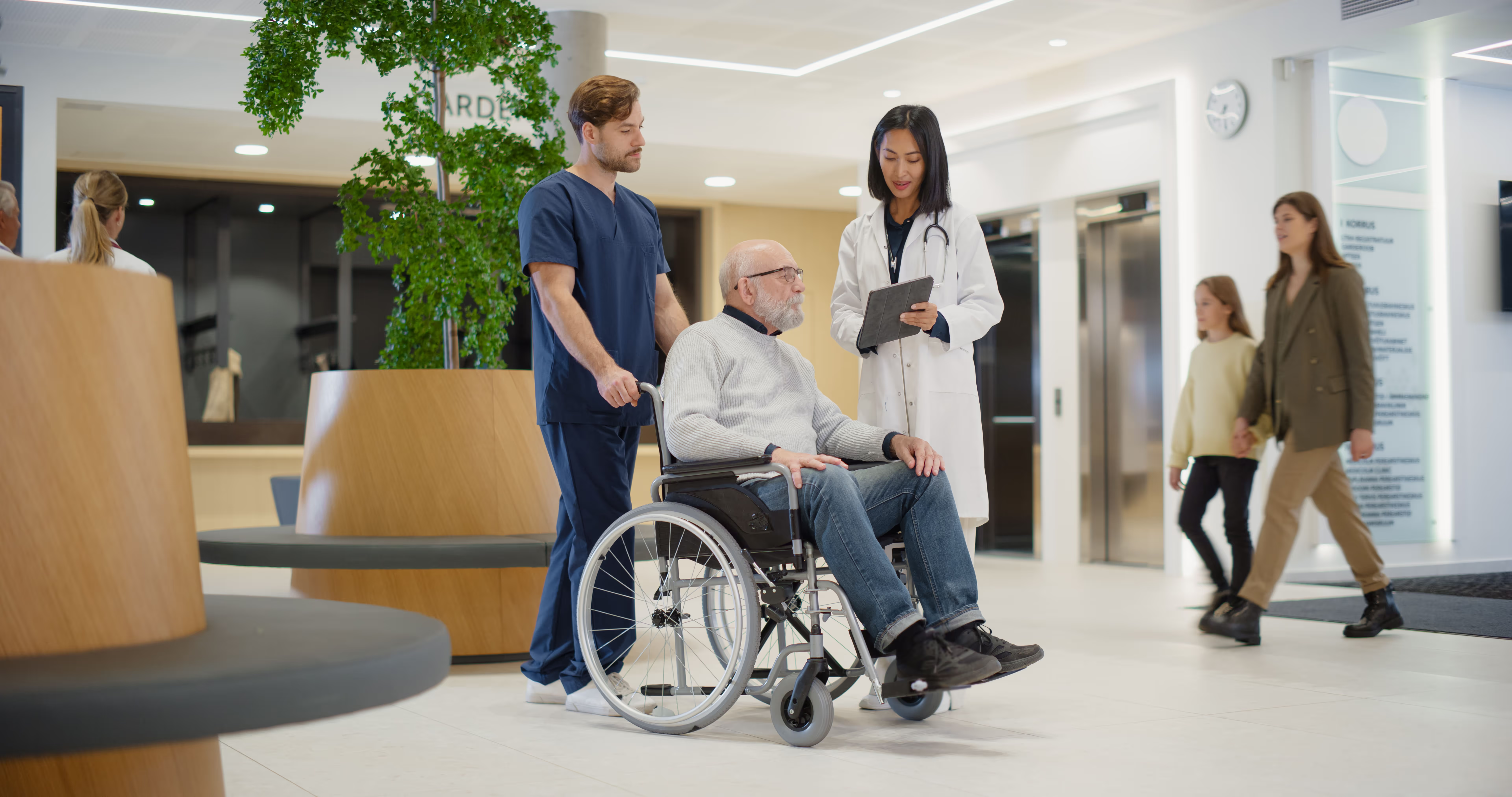
Independent inpatient nursing is provided for patients who are clinically stable and do not require continuous medical care, but who need nursing support and doctor-prescribed treatment that cannot be adequately delivered at home. This may be necessary, for example, following trauma, a severe illness, an exacerbation of a chronic condition, or to help manage symptoms associated with serious illness.
Patients are admitted to the nursing clinic by referral from a GP or specialist, either from home or following discharge from hospital.
It is not possible to conduct specialised diagnostic interventions in the nursing clinic. Patients should therefore have completed all the necessary examinations before admission.
When a referral is made by a GP, it should include the following information:
- up-to-date information on the patient’s overall condition, including physical and mental capacity
- results of recent investigations and tests (preferably carried out within the last two months)
- a description of any wounds or ulcers
- details of any required assistive equipment
- it is very important to have a clear summary of diagnoses, current treatment plan, and clinical justification for inpatient nursing care
You can find the referral form here: Referral to Independent Inpatient Nursing (based on Regulation of the Minister of Social Affairs No. 56, § 32.1)
Prices
For patients insured by the Health Insurance Fund, the patient contribution for inpatient nursing care is 10% of the bed day rate set by the Health Insurance Fund, or €14.04 (from 01.01.2025) per day.
On admission, a nursing care agreement is signed with the patient or their relative(s) for a period of up to 30 days. During this period, the patient's state of health is assessed (if necessary, repeatedly). Based on these assessments, the length of stay may be extended or shortened. Patients and their relatives are informed as soon as possible when inpatient nursing care is no longer required. If ongoing support is still needed at that stage, we may recommend home nursing services.
All of the above information is explained both to the patient and their relatives before admission.
Clinic options
The Õismäe unit has 80 wards and 150 beds, while the Iru unit has 50 beds.
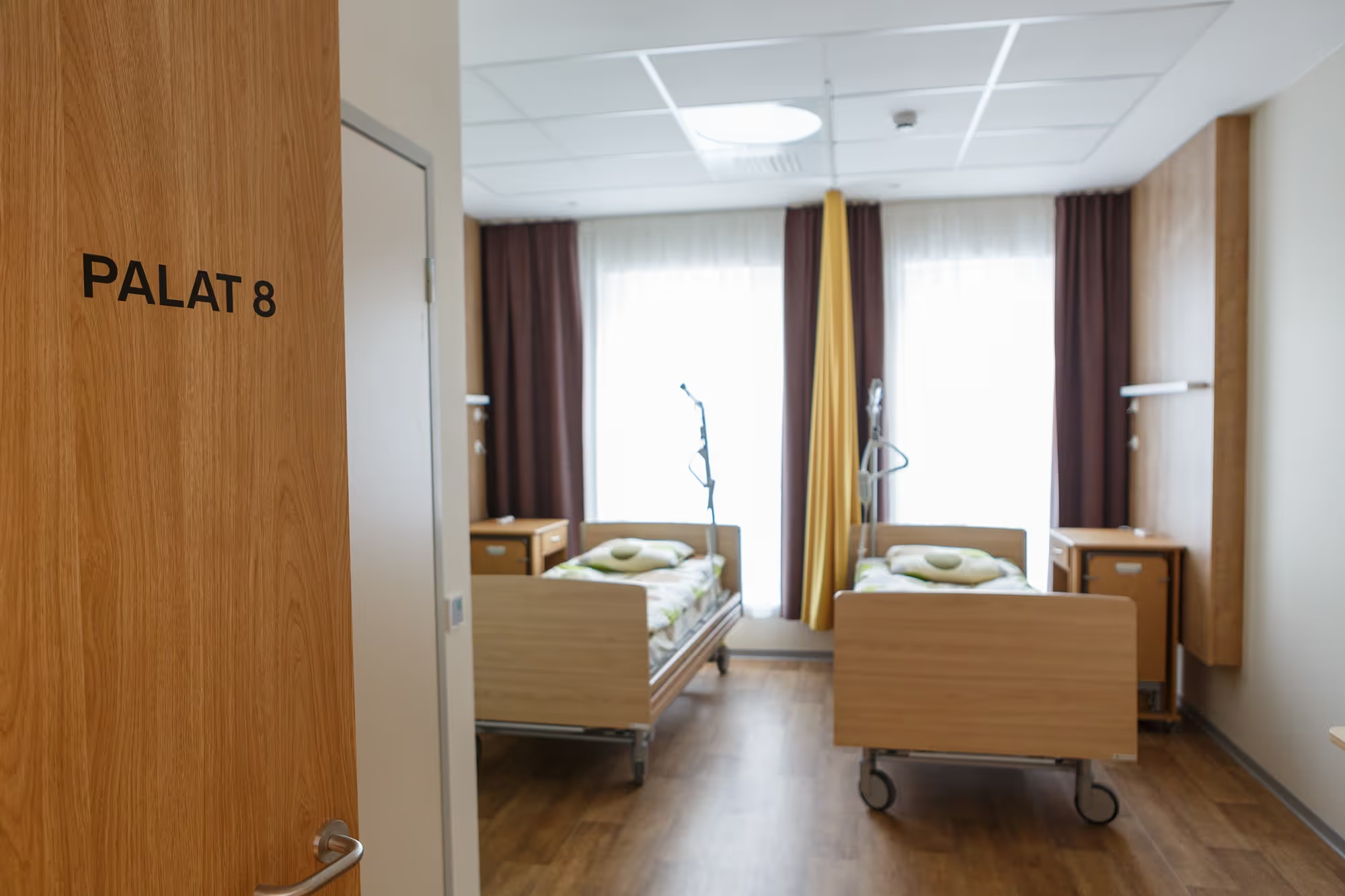
Wards are modern and comfortably furnished, and most are shared by two patients. Each ward is equipped with adjustable beds, a sink, a staff call button, as well as a toilet and shower room. There are also special washing facilities for patients who are bedbound.
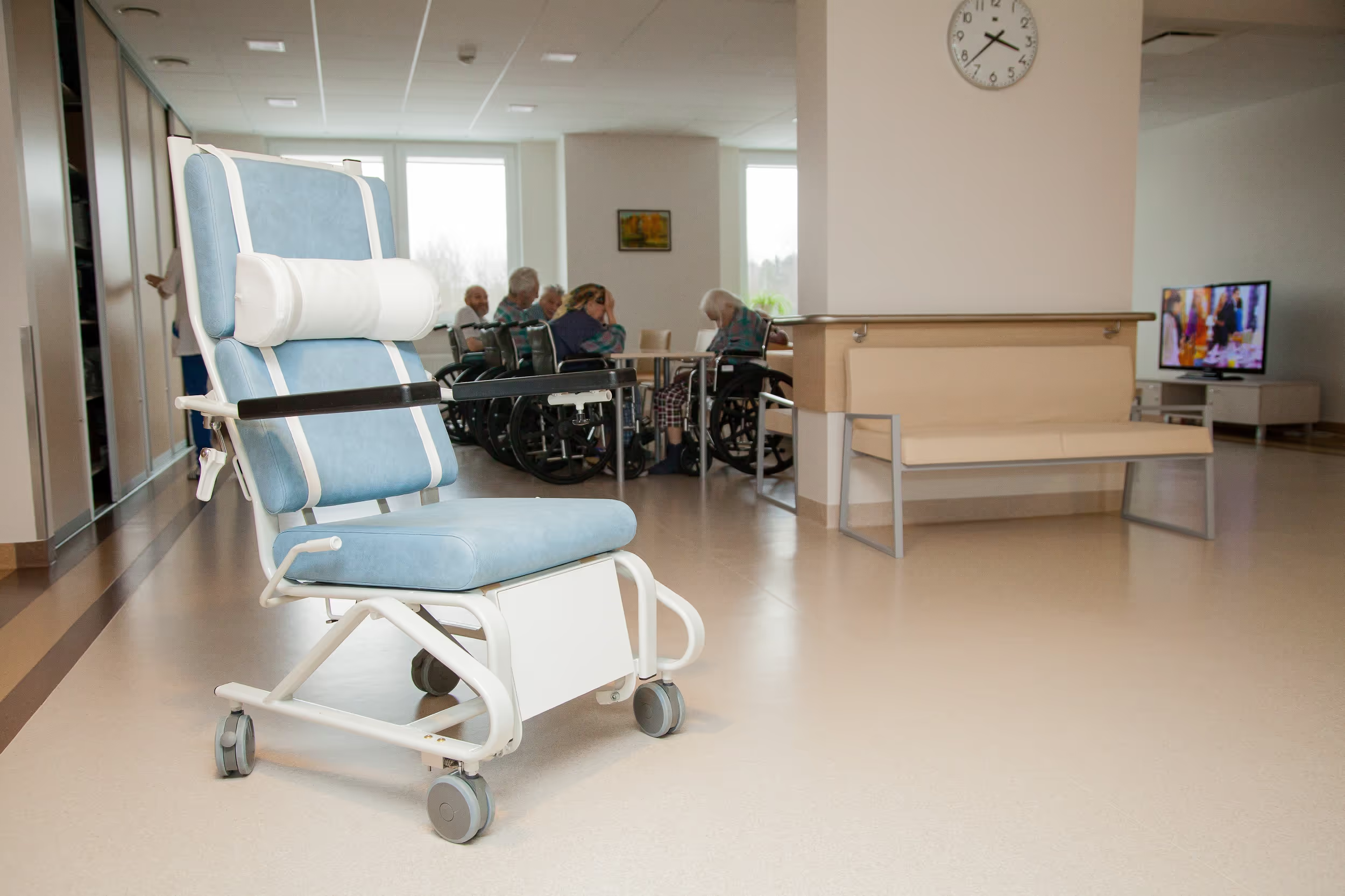
All areas are designed with patients’ needs in mind. Each department includes a communal area where patients can relax andwatch TV. Mobility aids such as wheelchairs and walking frames are available.
Meals are provided three times a day and are served either in the patient's ward or communal area.
Admission to the nursing clinic is carried out on weekdays from 10am to 2pm. If a patient is referred to us from another department within West Tallinn Central Hospital, transport is arranged by the hospital. Patients arriving from elsewhere are responsible for arranging their own transport, and we recommend that they attend with a relative or accompanying person where possible.
On admission, patients are provided with hospital clothing. Personal clothes can be left in storage at the hospital. Insoles with a closed back and non-slip sole or special socks with rubber soles are suitable as shoes.
When you come to the Inpatient Nursing Service, please bring:
- all regular medication in its original packaging
- any prescribed aids or medical devices (e.g., hearing aid, orthosis, ostomy care devices, etc.)
It is also recommended to bring personal hygiene items such as shampoo, comb and oral care products.
Please leave money, documents and valuables at home. If necessary, they can be deposited in the department safe.
The goal of nursing care is to achieve and maintain the best possible quality of life and coping for the patient. In a nursing assistant clinic, nursing care and day-to-day clinical decisions are primarily led by the nursing team. A doctor reviews patients as required, but at least once a week. All patients receive round-the-clock care and supervision. We consider teamwork important, actively involving both the patients and their relatives in care planning and decision making.
Our social worker can provide comprehensive information about available support systems, and we aim to provide both practical and emotional support to patients and their families throughout their stay.
Email: oendusabi@keskhaigla.ee
Information materials
- West Tallinn Central Hospital Nursing Clinic Newsletter (in Estonian)
- West Tallinn Central Hospital Nursing Clinic Newsletter (in Russian)
- Information leaflet on nursing care services issued by the Health Insurance Fund
Spiritual Care
The nursing clinic provides spiritual care through a trained hospital chaplain. The chaplain is a person with theological education and specialist training who offers support to patients who are seriously ill, in crisis or approaching the end of life, as well as to their loved ones.
Support may include emotional support (such as fear, confusion, feelings of loneliness, insecurity, guilt, etc.), existential, or spiritual guidance during times of illness, uncertainty, grief, or bereavement.
All conversations with the chaplain are confidential.