%20(77).avif)
Simulation Centre
Medical Simulation Training Centre
The Simulation Centre is a unit of West Tallinn Central Hospital that offers innovative team-based simulation training for managing critical obstetric and newborn conditions. The training takes place in a realistic clinical environment using modern simulators and video monitoring systems.
.avif)
What do we do?
Team-based simulation learning
- in situ simulations
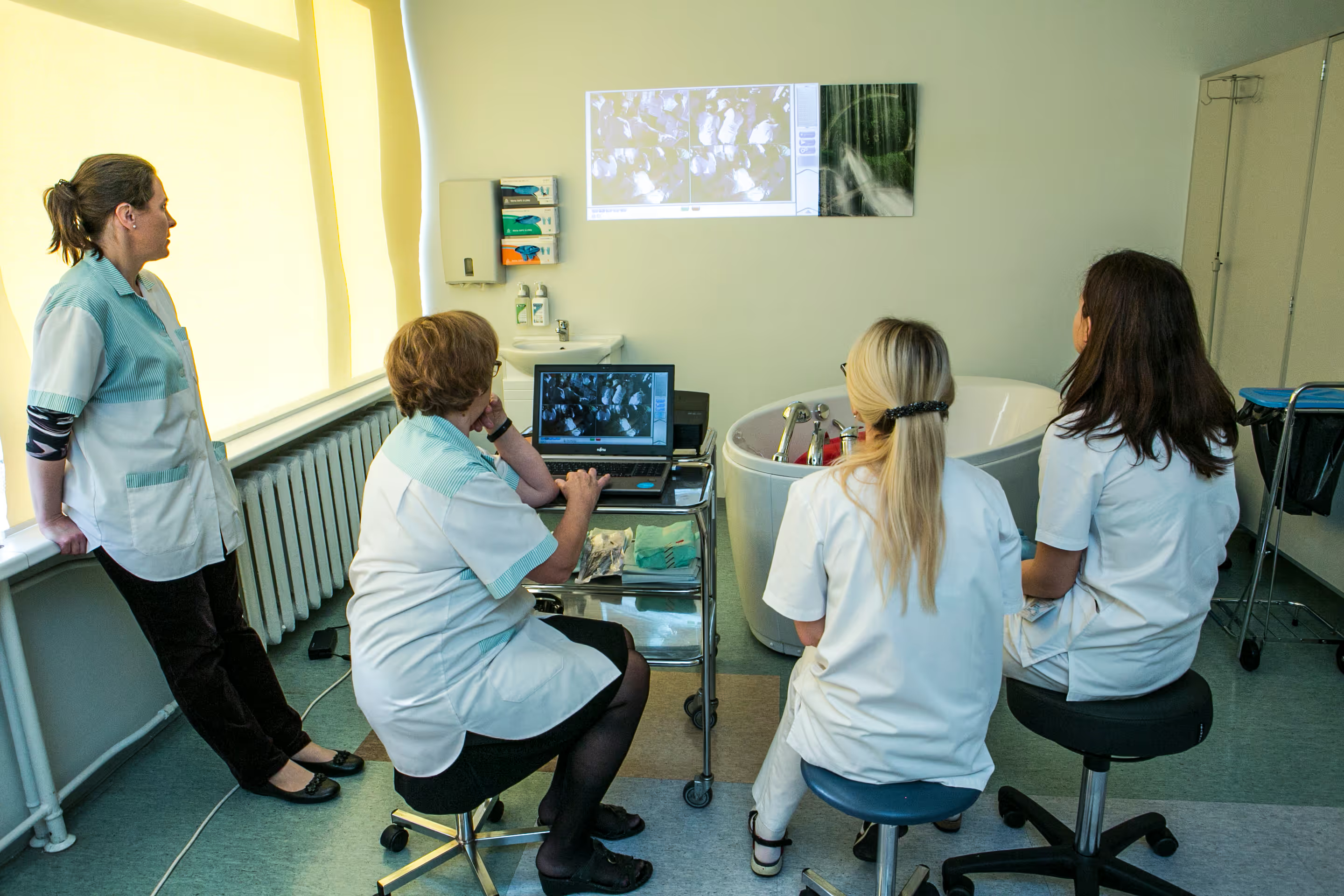
- high-tech simulators with video monitoring
- teamwork principles
- structured debriefing and analysis
Who is the training for?
The training is intended for medical personnel assisting obstetricians and newborns, particularly in maternity hospitals, neonatal intensive care units, and emergency departments. Learning objectives are tailored to the needs and expectations of participants. Simulation training also allows teams to practice interdepartmental collaboration, communication, logistics and the use of equipment in a realistic setting.
What training do we offer?
Simulation of endoscopic procedures in gynaecology (GESEA program)
- correct use of laparoscopic instrumentation
- development of psychomotor skills
- practical training in a dry laboratory
Curriculum
Regulations governing the organisation of training at the Simulation Centre
The team
Our team has received international simulation training, including:
- Basic courses (MinSim Oy, Finland) and EUsim (Copenhagen Academy for Medical Education and Simulation, Denmark)
- Advanced Simulation Trainer Course EUsim (Copenhagen Academy for Medical Education and Simulation, Denmark)
- Train the Trainer courses (Alpha Medical Concepts, Austria)
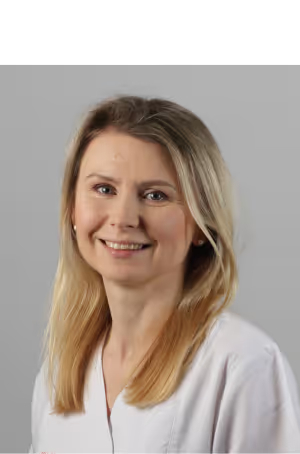
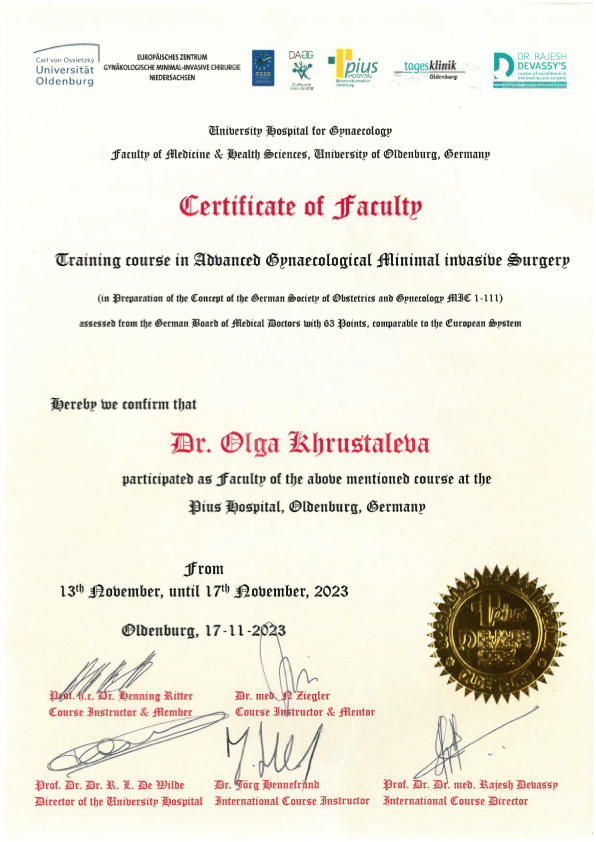
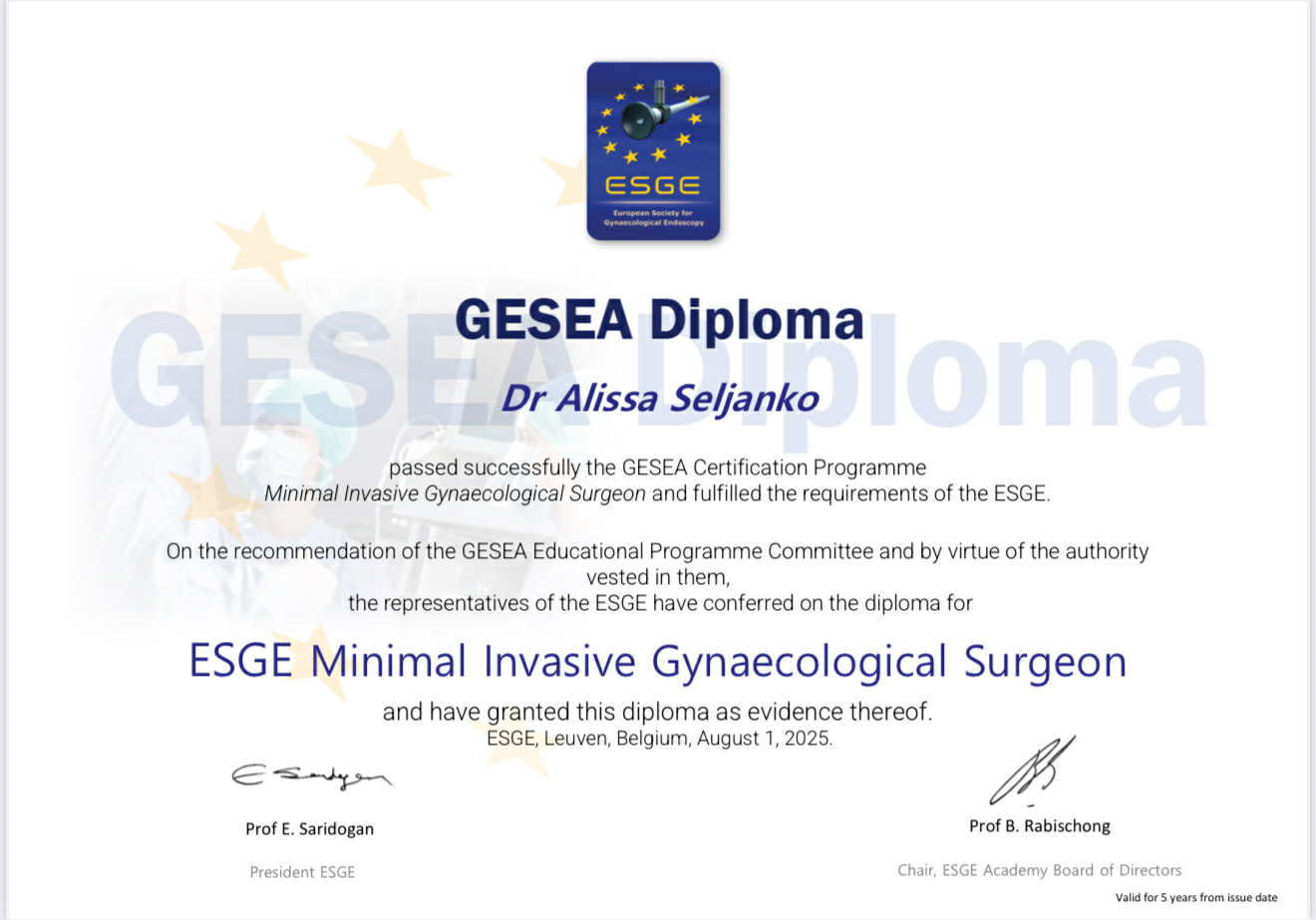
Certificates of trainers
- Advanced EUsim Simulation Instructor Course
- Train the Trainer
- GESEA Diploma — ESGE Minimally Invasive Gynaecological Surgeon
- Training Course in Advanced Gynaecological Minimal Invasive Surgery
- Certificate of Accreditation GESEA Training Centre
- TTT Training Specialist
- ESGE Minimally Invasive Gynaecological Surgeon
History
- The Simulation Centre team has been operating since September 2013.
- On 1 January 2016, it was registered as a unit of the Women's Health Clinic at West Tallinn Central Hospital.
- On 9 June 2016, the Simulation Centre was registered as an accredited educational institution (registry code 10822269).
- In 2021, the centre joined the SESAM network of Simulation Centres.
- In 2025, the Simulation Centre achieved international certification and became the first GESEA training centre in the Nordic and Baltic States.
- From 1 January 2026, the Simulation Centre of West Tallinn Central Hospital will operate within the hospital’s Human Resources Department.
We are on the GESEA World Map
- https://gesea.eu/accredited-gesea-centres/
- https://gesea.eu/centre/pelgulinna-simulation-centre-west-tallinn-central-hospital-gesea-centre/
Our experience
- Tartu University Hospital
- Pärnu Hospital
- Kuressaare Hospital
- Narva Hospital
- Tallinn Emergency Medical Service
- Intensive care unit of Tallinn Children's Hospital
- Union of Estonian Medical Emergency – Simulation Exercise I
- Lapland Central Hospital
- Rakvere Hospital
- Ida-Viru Central Hospital
- Viljandi Hospital
- South-Estonian Hospital
- Hiiumaa Hospital
- Järvamaa Hospital
- Ambulance department of the North Estonia Medical Centre
We have participated in various international collaboration projects, including:
- Team training with simulation trainers from the University of Helsinki Women's Health Clinic and Children's Hospital (FinEST 2016 and 2018: “Train the trainer”)
- Participation in an international simulation week, including a joint simulation exercise on 18 September 2025 in collaboration with the emergency department, ambulance services and the Women’s Health Clinic
Contact
West Tallinn Central Hospital Women's Health Clinic, Sõle 23, Tallinn
Dr Liina Süvari (Head of the Simulation Centre)
Email: liina.syvari@keskhaigla.ee

Simulator: Victoria® S2200
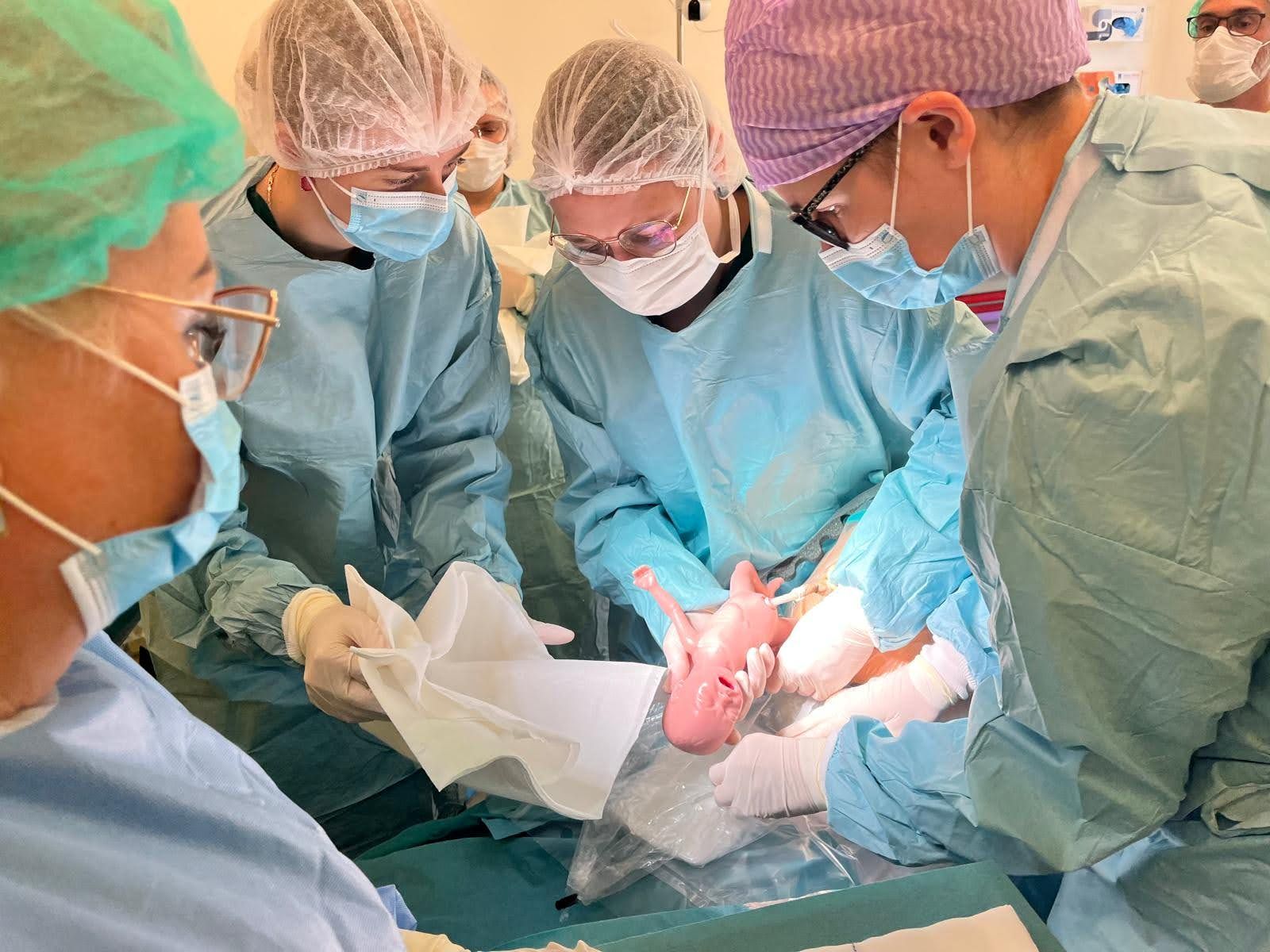
In our training, we use the maternity simulator Victoria® S2200, a high-tech simulator doll designed for practicing the management of obstetric emergencies.
VICTORIA® S2200 - A HIGH-TECH LIFELIKE OBSTETRIC SIMULATOR
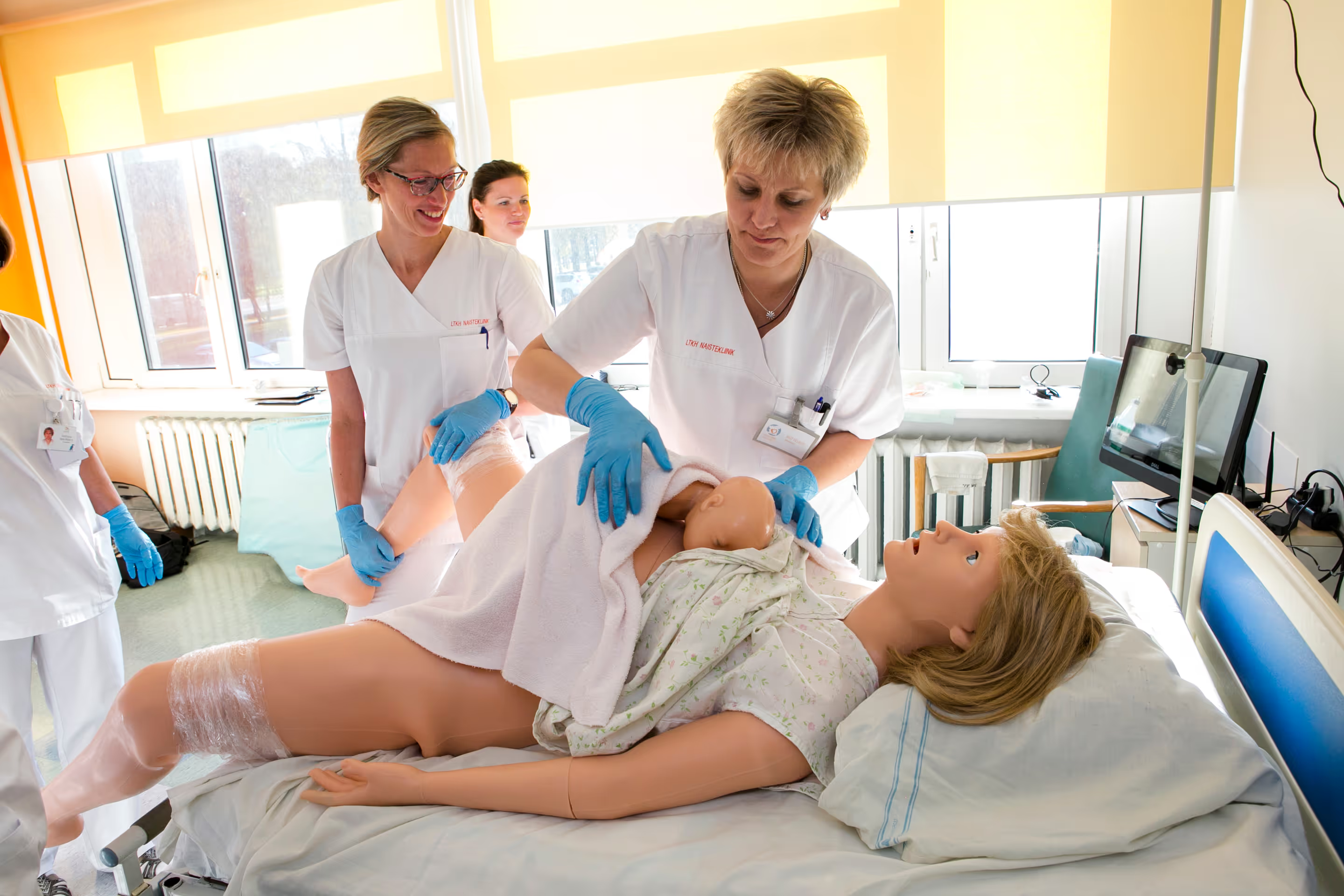
Victoria is a computer-controlled full-term pregnancy simulator with realistic anatomy, including anatomically accurate birth canals and cervical dilation.
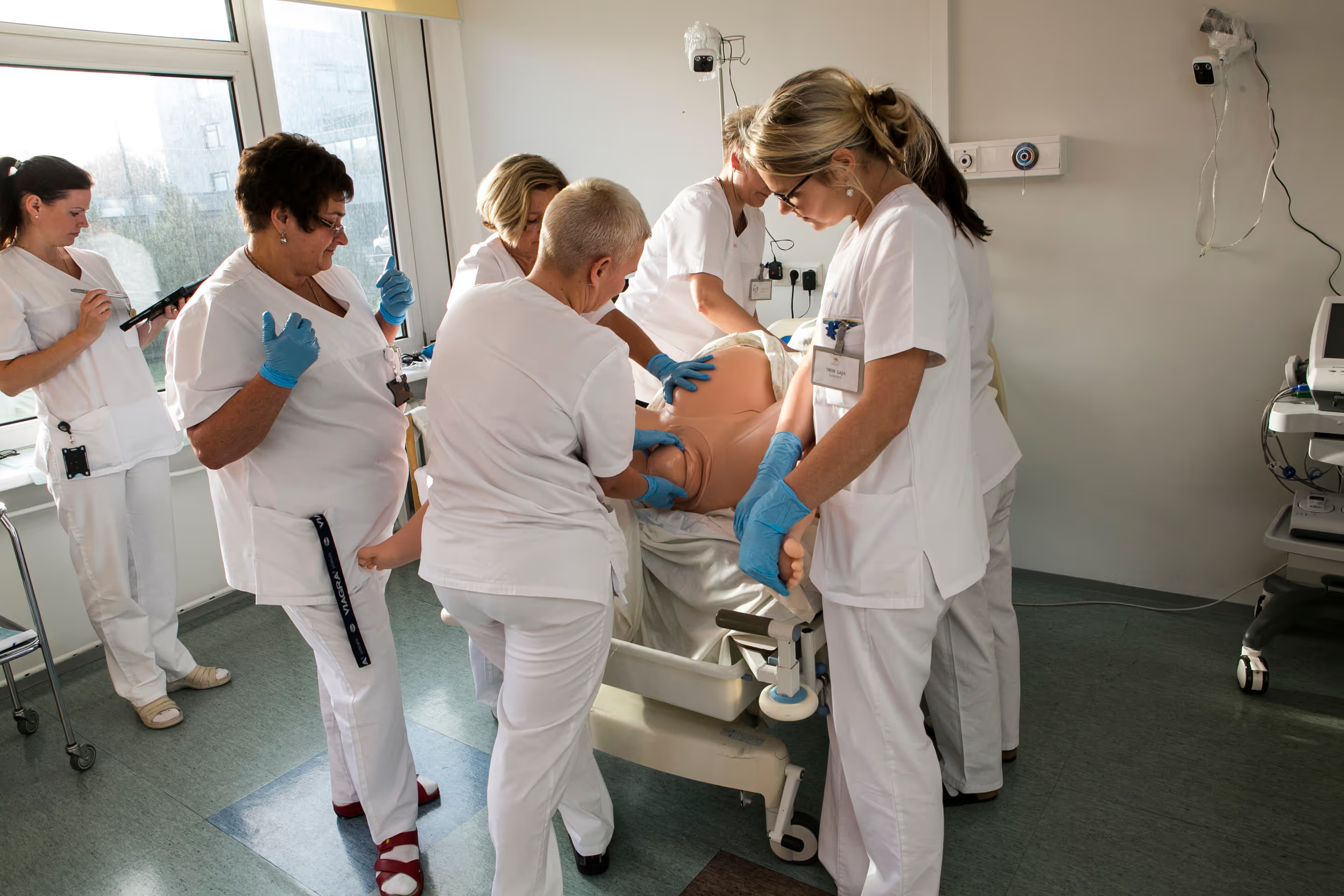
The simulator includes two foetal models, allowing realistic movement and rotation of the foetus through the birth canal. The instructor can control foetal movement and adjust vital signs in response to clinical interventions, which are displayed on monitoring equipment.
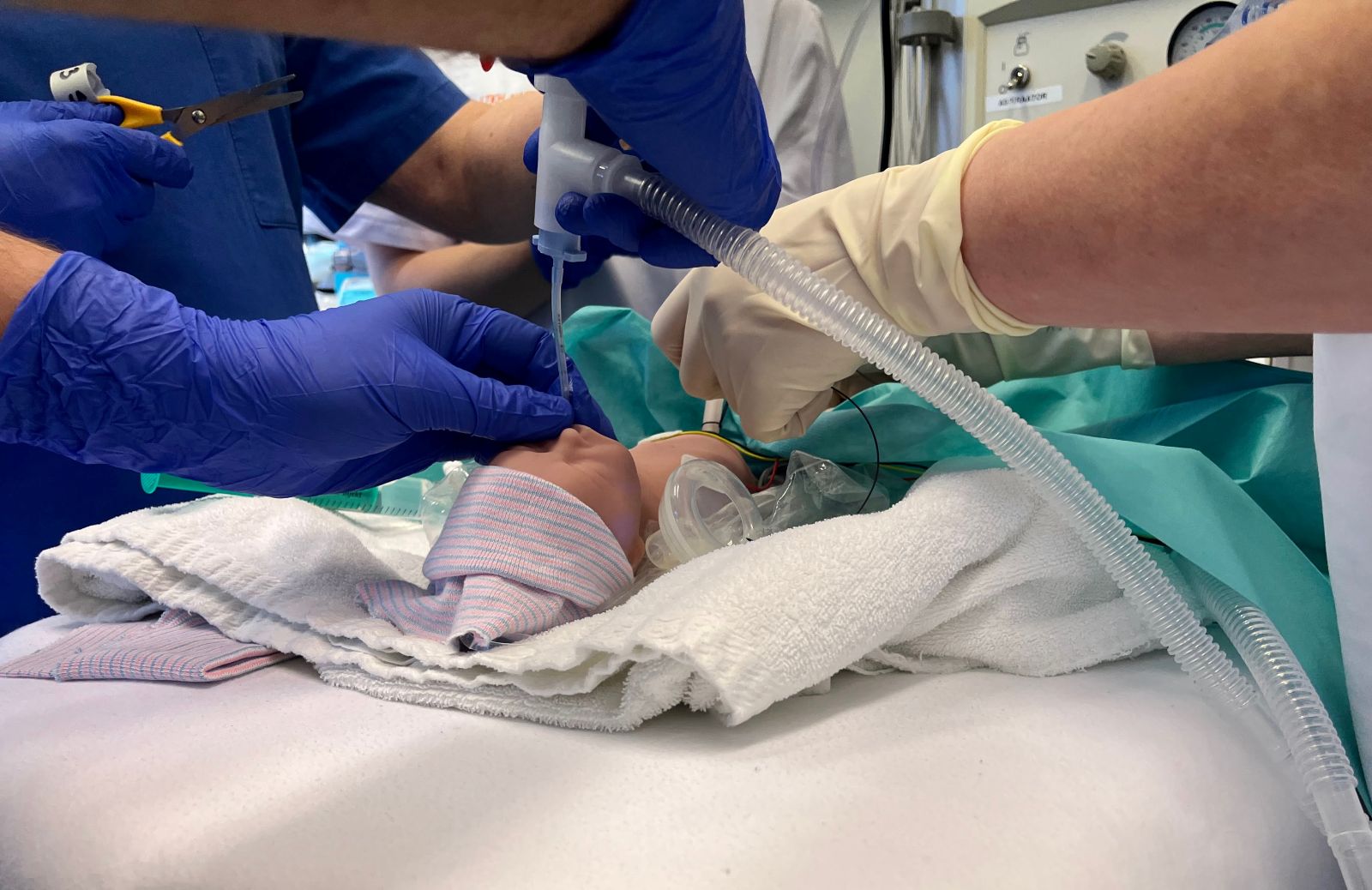
Victoria can be used with a range of medical devices, including CTG monitors, ECG monitors, pulse oximeters, automated blood pressure monitors and defibrillators. It also allows realistic practice of procedures such as venous cannula, medication administration, infusions, catheterisation, intrauterine balloon placement and intubation.
Childbirth can involve complex and unpredictable situations that require rapid and skilled intervention.
The Victoria simulator allows teams to practice solving many obstetric emergencies both in a training environment and in situ within real clinical settings.
Training in a real clinical environment, with a full multidisciplinary team — from healthcare assistants to anaesthetists — also helps to identify more subtle system-level issues.
It is essential that participants learn to use equipment effectively and interpret critical information in the course of learning. In addition to practical skills, it is important for clinicians to understand the time required for different procedures, assess the working environment, and allocate roles effectively during patient care.
Practicing with an obstetric simulator helps healthcare professionals develop both clinical and practical skills, while also improving the working environment and communication within the team.
It enables teams to identify and avoid potential errors, as specialists from different disciplines learn to work together and provide the safest possible care. Thanks to the obstetric simulator, we can combine maternal care training with simulation exercises for critical newborn conditions, giving participants a holistic understanding of the mother as a patient with a unique clinical status.
Key scenarios that can be simulated with Victoria include:
Gallery
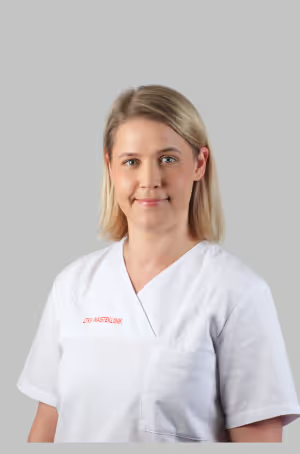
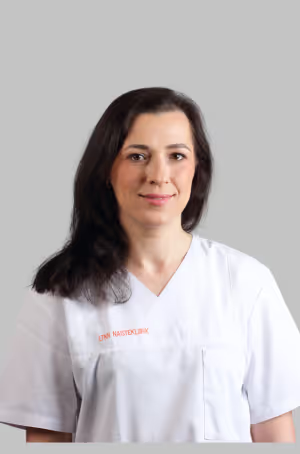
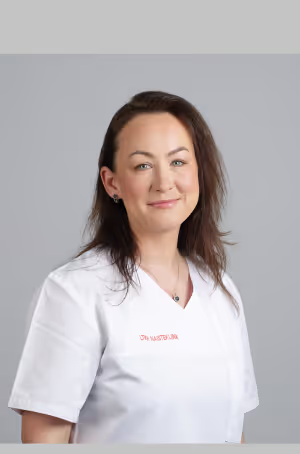
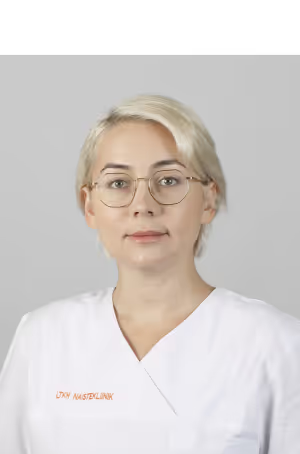
Simulation trainers